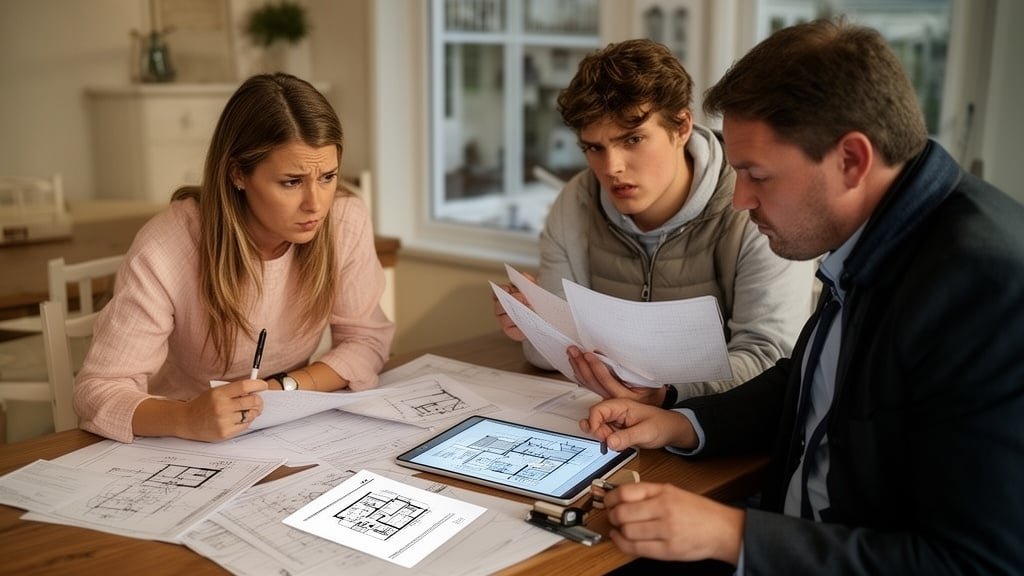
My Home Buyers Survey guide explains everything you need to know about getting a home survey when you're buying a property. Whether it's your first home or you're an experienced buyer, understanding home surveys can save you thousands and protect your investment.
Why Do You Need a Home Survey?
Here's a reality check: when you're buying a house, you're making one of the biggest financial decisions of your life. Yet many buyers skip the home survey to save a few hundred pounds. That's like buying a used car without checking under the hood.
A professional home survey reveals the true condition of the property. It identifies defects, structural issues, and potential problems that you can't see during a viewing. The survey report gives you the power to negotiate the price, request repairs, or even walk away if major problems are discovered.
I remember working with Sarah and Tom, first-time buyers who almost skipped their survey to cut costs. They reluctantly agreed to a RICS Level 2 survey. Good thing they did – we found £15,000 worth of structural issues including subsidence and a failing roof. They negotiated that amount off the purchase price. Their £550 survey saved them over £14,000.
Understanding RICS Home Survey Levels
The Royal Institution of Chartered Surveyors (RICS) sets the standards for home surveys in England and Wales. They offer three main types of survey, each suited to different properties and buyer needs.
RICS Level 1 Home Survey (Condition Report)
The RICS Level 1 home survey, also known as a condition report, is the most basic type of survey. It's a visual inspection that provides a straightforward assessment using a traffic light system.
Best for:
- New build homes less than 10 years old
- Modern conventional houses in excellent condition
- Properties built with standard materials and methods
- Buyers who want basic peace of mind
What you get: A simple report highlighting any significant issues with red, amber, or green ratings. No valuation is included, and it won't provide detailed information about repairs.
Cost: Typically £350-£450 depending on property value and location.
RICS Level 2 Home Survey (Homebuyer Report)
The RICS home survey Level 2, commonly called a homebuyer report or homebuyer survey, is by far the most popular choice. It provides comprehensive information about the condition of the property and is suitable for most conventional houses.
This is the survey I recommend to 70% of my clients. It strikes the perfect balance between detail and cost. The RICS Level 2 survey includes a thorough visual inspection of all accessible areas, a market valuation, and detailed advice on defects.
Best for:
- Conventional houses in reasonable condition
- Properties built within the last 100 years
- Standard construction (brick, block, concrete)
- Semi-detached and terraced properties
- Most typical family homes
What you get:
- Detailed condition assessment of all major elements
- Traffic light ratings for defects (urgent, serious, or minor)
- Market valuation and insurance rebuild cost
- Advice on repairs and ongoing maintenance
- Information about potential legal issues
- 20-30 page comprehensive report
Cost: Typically £450-£800 depending on property value, size, and location.
For a detailed comparison between these two popular surveys, read our RICS Level 2 vs Level 3 guide.
RICS Level 3 Building Survey (Structural Survey)
The Level 3 building survey, previously known as a full structural survey, is the most detailed and comprehensive type of survey. It's essential for older properties, unusual buildings, or homes in poor condition.
Last month, I surveyed a beautiful Victorian terrace for a young couple planning a renovation. The Level 3 home survey revealed issues they'd never have found otherwise: movement in the rear extension, outdated electrics, and timber decay in the roof structure. The detailed report helped them budget realistically for the renovation and renegotiate the purchase price. Learn more about surveying Victorian properties.
Best for:
- Properties built before 1900
- Listed buildings or period properties
- Properties in poor or dilapidated condition
- Unusual construction or non-standard materials
- Homes you're planning to renovate or extend
- Properties that have been significantly altered
What you get:
- Extensive inspection of all accessible areas
- Detailed analysis of construction and materials
- In-depth assessment of all defects and their causes
- Specific advice on repairs, costs, and timescales
- Guidance on ongoing maintenance requirements
- 40-60 page detailed report with photographs
Cost: Typically £750-£1,500+ depending on property value, age, size, and complexity.
How Much Does a House Survey Cost?
The house survey cost varies based on several factors, but it's a worthwhile investment that often pays for itself many times over.
Factors affecting survey costs:
- Property value: Higher-value properties cost more to survey
- Property size: Larger homes take longer to inspect
- Property age: Older properties require more detailed examination
- Location: London and South East surveys typically cost more
- Type of survey: Level 3 costs more than Level 2 or Level 1
- Additional services: Valuation reports may be extra
For a detailed breakdown of costs, check our complete survey costs guide or our survey services pricing page.
What Does the Home Survey Report Reveal?
A comprehensive survey report covers every aspect of the property's condition. Here's what our RICS surveyors examine:
Structural Elements
- Foundations and substructure
- Walls and load-bearing elements
- Roof structure and coverings
- Chimneys and fireplaces
- Floors and ceilings
- Windows and doors
Building Services
- Heating systems and boilers
- Electrical installation
- Plumbing and water systems
- Drainage and waste disposal
- Insulation and energy efficiency
Common Issues Found
- Damp and moisture: Rising damp, penetrating damp, condensation - learn more about damp problems
- Structural movement: Cracks, subsidence, settlement - read our subsidence guide
- Roof defects: Missing tiles, failing felt, water ingress - discover common roof problems
- Timber issues: Rot, woodworm, beetle infestation
- Drainage problems: Blocked drains, broken pipes, poor falls
- Outdated services: Old wiring, inefficient heating, lead pipes
The Home Survey Process: Step-by-Step
Step 1: Choose Your Survey Type
Once your offer on a house has been accepted, decide which type of survey you need. Consider the property's age, condition, and your plans. If unsure, contact our RICS surveyors for free advice.
Step 2: Book Your Survey
Contact us to organise your home survey. We'll need the property address, type, and access arrangements. We aim to schedule the surveyor visit within 3-5 working days of booking.
Step 3: The Surveyor Visit
The RICS surveyor will visit the property to carry out the survey. You don't need to be present – the surveyor will coordinate with the estate agent or current owner for access.
The visit duration depends on the survey type:
- Level 1: 1-2 hours
- Level 2: 2-3 hours
- Level 3: 3-4+ hours
Step 4: Receive Your Report
You'll receive your detailed survey report within 5 working days of the inspection. The report clearly explains the condition of the property using our traffic light system and plain English.
Step 5: Review and Act
Read the report carefully. If the survey reveals major problems, you have several options:
- Negotiate a lower purchase price
- Request the seller fixes issues before completion
- Budget for repairs after purchase
- Pull out of the purchase if problems are too serious
Real-Life Example: When Surveys Save Money
Let me share another story that perfectly illustrates why home surveys matter. James was buying a lovely 1930s semi-detached house in suburban Manchester. The property looked immaculate during viewings – fresh paint, new carpets, beautifully presented.
James initially considered skipping the survey. "It looks perfect," he told me. "Why waste money on a survey?" I convinced him to get a RICS Level 2 survey anyway.
The survey revealed concerning issues hidden beneath the cosmetic improvements:
- Significant rising damp in both reception rooms (estimated repair: £5,000)
- The roof needed complete re-felting (estimated cost: £7,000)
- Electrical wiring was outdated and potentially unsafe (estimated cost: £3,500)
- Original single-glazed windows throughout (replacement cost: £8,000)
Total issues: £23,500 worth of repairs and improvements needed.
Armed with the survey report, James renegotiated. The seller agreed to reduce the price by £18,000. James paid £550 for the survey but saved nearly £18,000. He could then address the issues properly with the money saved.
This happens more often than you'd think. Sellers often hide problems with clever cosmetic work. A professional home buyers survey sees through the paint and new carpets to the real condition underneath.
Common Questions About Home Surveys
Do I really need a survey when buying a property?
While not legally required, a home survey is strongly recommended. It's the only way to truly understand the condition of the property before you buy. The survey cost is tiny compared to the potential cost of hidden defects. Learn more about different types of home surveys we offer.
What's the difference between a mortgage valuation and a home survey?
A valuation report is conducted for the lender to confirm the property is worth the mortgage amount. It's basic and doesn't assess the property's condition thoroughly. A home survey is far more detailed and works for you, the buyer, to identify defects and issues.
Can I attend the survey?
Yes! Many buyers find it helpful to accompany the surveyor. You can ask questions and gain a better understanding of the property. Just let us know when booking, and we'll arrange it.
How long does a home survey take?
The inspection itself takes 1-4 hours depending on the property size and survey type. You'll receive the written report within 5 working days after the surveyor's visit.
What if the survey reveals major problems?
Don't panic! If the survey reveals major problems, you have options. You can renegotiate the price, request repairs, or withdraw from the purchase. Many buyers successfully negotiate thousands off the asking price based on survey findings.
Choosing the Right RICS Surveyor
Not all surveyors are equal. When you're organising a home survey, choose a qualified professional:
- RICS accreditation: Ensure the surveyor is registered with the Royal Institution of Chartered Surveyors
- Professional indemnity insurance: Check they're properly insured
- Local knowledge: Surveyors familiar with your area understand regional building types and common issues
- Experience: Ask about their experience with similar properties
- Clear communication: Choose surveyors who explain things in plain English
At My Home Buyers Survey, all our surveyors hold professional accreditation from RICS, CIOB, or RPSA. We have extensive experience across all property types and regions.
Conclusion: Don't Skip Your Home Survey
Getting a home survey when buying a house is one of the smartest investments you'll make in the buying process. Whether you choose a RICS Level 1 home survey for a new build, a RICS Level 2 survey for a standard property, or a Level 3 building survey for an older home, you're protecting your future.
The survey cost – typically £350 to £1,500 – is minimal compared to your property investment. A professional survey report gives you negotiating power, reveals hidden defects, and provides peace of mind.
Don't buy a house without a survey. The few hundred pounds you save could cost you tens of thousands in unexpected repairs. Buy smart, buy informed, buy with a professional home buyers survey.
Ready to book your home survey? Contact our RICS accredited surveyors today for a free quote and expert advice on which survey type is right for your property.
Related Articles
-
→ RICS Level 2 vs Level 3: Which Survey Do You Need?
Detailed comparison to help you choose the right survey type
-
→ House Survey Costs: Complete Price Guide for 2024
Everything you need to know about survey pricing
-
→ First-Time Buyers: Your Essential Home Survey Guide
Special guidance for first-time property buyers
Ready to Book Your Home Survey?
Get expert advice from our RICS accredited surveyors. Free quotes, fast turnaround, comprehensive reports.
Get Your Free Quote Today