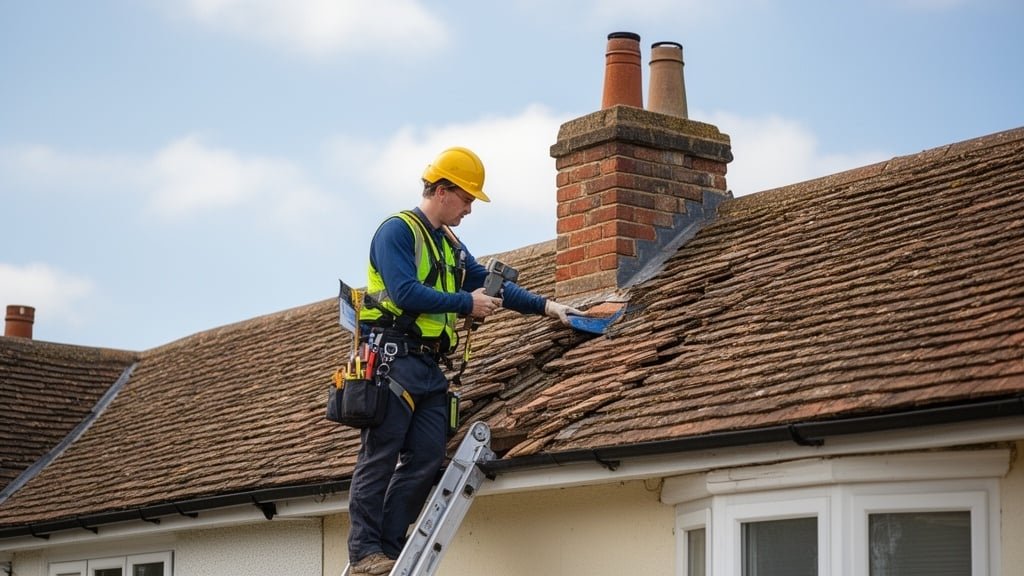
My Home Buyers Survey reveals the most common roof problems found during property surveys. Understanding these issues helps you budget and negotiate when buying a house. Read our Complete Guide to Home Surveys for more details.
Why Roof Condition Matters
Your roof is your property's first line of defense against the elements. Roof problems can lead to water damage, structural issues, and expensive repairs costing thousands of pounds. A professional home survey thoroughly assesses roof condition - something viewings never reveal.
Most Common Roof Problems
1. Missing or Slipped Tiles/Slates
This is the most frequent roof issue we find during surveys. Individual tiles or slates slip out of position or go missing entirely, allowing water penetration.
Causes:
- Age and weathering
- Storm damage
- Deteriorated nails and fixings
- Poor original installation
Typical cost: £100-£300 per tile/slate replacement. However, if many are affected, full re-roofing may be needed (£5,000-£15,000).
2. Failing Valleys and Flashings
Valleys (where two roof slopes meet) and flashings (metal strips sealing joints) are common failure points. They're critical for water shedding but deteriorate over time.
Signs of problems:
- Cracked or corroded metal
- Missing mortar in valleys
- Water staining on ceilings below
- Damaged lead work
Typical cost: £500-£2,500 depending on extent and material (lead, zinc, or GRP).
3. Deteriorated Roof Felt
The felt underlayer beneath tiles provides secondary waterproofing. On older properties (30+ years), felt often deteriorates, tears, or disintegrates.
Issues caused:
- Water penetration to loft space
- Damp and mold in loft
- Damage to ceiling below
- Rot in roof timbers
Typical cost: £3,000-£8,000 for felt replacement (requires removing and re-laying all tiles).
4. Rotten or Damaged Roof Timbers
Roof timbers (rafters, purlins, ridge boards) can rot due to long-term water ingress, woodworm, or poor ventilation.
Warning signs:
- Sagging roof line
- Soft or crumbling wood
- Woodworm holes
- Visible rot or fungal growth
- Roof spreading at eaves
Typical cost: £2,000-£10,000+ depending on extent. Serious structural timber damage may require £15,000-£30,000 for full roof structure replacement.
5. Chimney Stack Problems
Chimneys are exposed to severe weather and often deteriorate. Common issues include:
- Loose or missing chimney pots
- Crumbling mortar joints (pointing)
- Cracked brickwork
- Leaning stacks
- Failed flashing around base
Typical cost: £500-£2,000 for repointing and repairs. £3,000-£8,000 for stack rebuild. £1,500-£4,000 for safe removal if not in use.
6. Blocked or Damaged Gutters
Gutters and downpipes are part of the roof drainage system. Blockages or damage cause water overflow, leading to wall dampness and foundation issues.
Common problems:
- Leaf and debris blockages
- Sagging gutters
- Cracked or split sections
- Detached brackets
- Incorrect falls (water not draining)
Typical cost: £200-£500 for cleaning and minor repairs. £800-£2,000 for full gutter replacement.
7. Poor or Missing Roof Insulation
While not a structural issue, inadequate loft insulation is common and affects energy efficiency and bills.
Current standards: 270mm (10.6 inches) of insulation recommended. Many older properties have 100mm or less.
Typical cost: £300-£500 for DIY materials. £800-£1,500 professionally installed.
8. Moss and Lichen Growth
Moss growing on roof tiles isn't just cosmetic - it retains moisture, accelerates tile deterioration, and can block water flow.
When to address: Heavy moss growth covering large areas needs removal. Light growth is less urgent but should be monitored.
Typical cost: £300-£800 for professional cleaning and treatment.
Roof Problems by Property Age
Pre-1920 Properties
- Original slate roofs nearing end of life (100+ years old)
- Lead valley and flashing deterioration
- Chimney stack issues common
- Minimal or no roof felt
1920s-1970s Properties
- Concrete or clay tile deterioration
- Original felt failing (if 40+ years old)
- Ridge tiles becoming loose
- Flashing needing replacement
Post-1980 Properties
- Generally better condition
- Occasional poor workmanship
- Modern materials more reliable
- Better insulation standards
How Surveyors Assess Roofs
External Inspection
Surveyors examine roofs from ground level using binoculars and may use ladders for closer inspection (depending on survey level and safety).
Loft Inspection
Accessing the loft space reveals much about roof condition: undersides of tiles, felt condition, timber state, signs of water ingress, and insulation levels.
Modern Technology
Some surveyors use drone photography for detailed roof inspection without access risks. Thermal imaging can reveal hidden water ingress and insulation gaps.
Real Roof Survey Example
Last month, I surveyed a 1930s semi-detached house listed at £285,000. The property looked well-maintained from the street. However, my survey revealed significant roof issues:
- Multiple slipped tiles on both slopes (30+ tiles affected)
- Deteriorated valley requiring replacement
- Failed chimney pointing with loose stack
- Rotten roof timbers in two areas (from old leak)
- Inadequate loft insulation (100mm only)
Estimated repairs: £12,500
The buyers used my detailed report to renegotiate. The seller reduced the price by £10,000, and the buyers scheduled repairs immediately after purchase. Without the survey, they'd have faced these costs unexpectedly within months.
Negotiating After Roof Issues Are Found
Get Specialist Quotes
For significant roof problems, obtain quotes from 2-3 roofing contractors. Present these figures when negotiating with the seller.
Request Price Reduction
Use contractor quotes to justify a price reduction covering repair costs. Most sellers will negotiate rather than lose the sale.
Ask for Urgent Repairs Before Completion
For serious issues (active leaks, dangerous chimneys), request repairs before completion. Don't accept a property with urgent roof problems unfixed.
Factor Into Your Budget
If the seller won't negotiate fully, ensure you can afford both the purchase price and necessary roof work. Don't stretch your budget assuming problems can wait.
When Roof Replacement Is Needed
Sometimes repairs aren't economical and full replacement is better:
Signs You Need a New Roof
- Roof age 80+ years (slates) or 50+ years (tiles)
- Widespread tile/slate failure (30%+ affected)
- Completely deteriorated felt
- Multiple areas of structural timber rot
- Recurring leaks despite repairs
Full Roof Replacement Costs
- Terraced house: £5,000-£8,000
- Semi-detached: £6,000-£10,000
- Detached: £8,000-£15,000
- Large/complex roofs: £15,000-£30,000+
Consider whether the property is worth buying if it needs immediate roof replacement. Factor this major expense into your decision.
Roof Maintenance Tips
Once you've purchased, maintain your roof properly:
- Annual visual inspection (especially after storms)
- Clear gutters twice yearly
- Remove heavy moss growth
- Replace damaged tiles immediately
- Check loft regularly for leaks
- Maintain adequate ventilation
- Address minor issues before they become major
Conclusion
Roof problems are among the most expensive issues found during home surveys. They're also some of the most common, affecting properties of all ages. A professional survey thoroughly assesses roof condition, revealing problems that viewings never show.
Don't skip the survey to save a few hundred pounds. Undetected roof problems can cost £10,000-£30,000 to fix. Whether you need a RICS Level 2 survey or Level 3 building survey, ensure your roof is professionally assessed before purchase.
Concerned about your roof? Contact our RICS surveyors for expert assessment and detailed reporting.
Related Articles
Worried About Roof Condition?
Get a professional survey with detailed roof assessment.
Book Your Survey